
Identify the approved tool
When purchasing asks for the same array again, a finished patch name is rarely enough. Send the original tool or insert identifier, the drawing revision and the reference sample code. State whether the request covers additional finished samples, a duplicate template or a replacement insert.
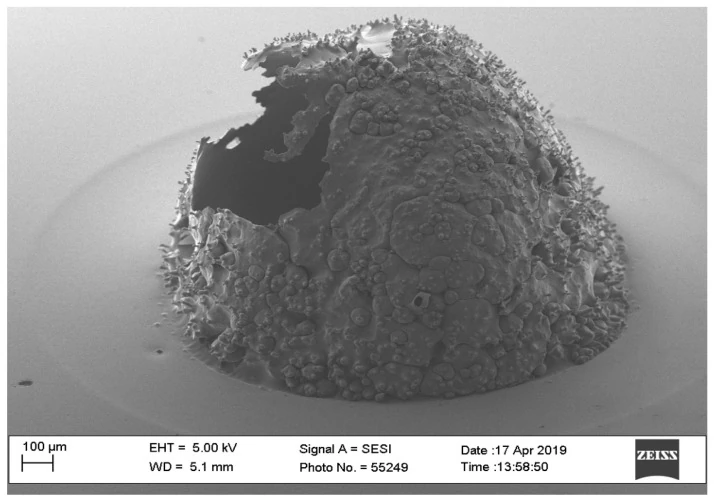
Image credits
Faisal Khaled Aldawood, Abhay Andar and Salil Desai · Image source · CC BY 4.0 · Original figure proportions and markings retained; converted to WebP.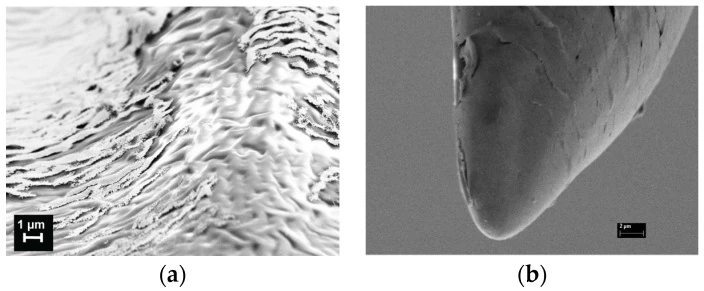
Image credits
Principia Dardano, Alessandro Caliò, Vincenza Di Palma, Maria Fortuna Bevilacqua, Andrea Di Matteo and Luca De Stefano · Image source · CC BY 4.0 · Original figure proportions and markings retained; converted to WebP.Review changes before reordering
An artwork change alone may leave the tool untouched. A change to the field boundary, insert dimensions or orientation mark may affect engineering. List the requested differences and ask the supplier to identify affected items before the buyer accepts the repeat quote.
Agree how the physical reference is kept
Clarify who retains the master, who can authorize a duplicate, and whether an agreed reference sample can travel with the order. Record any custody or storage terms in the commercial agreement. Keep a dated image of the reference with its identifier.
Can a reordered sample be traced to its own production run?
Gülçür and colleagues examined feature replication across a series of molding trials. A purchaser comparing repeat orders also needs a link between each result and the sample it describes. Keep the first accepted sample identifier and report alongside those from the reorder. If a supplier sends the earlier photograph again, ask for a view or measurement tied to the current run. That makes it possible to review the new delivery against the same agreed feature.
Gülçür et al. (2023) · Characterising replication across molding trials
Prepare your inquiry
Use the tool ID and drawing revision on every repeat request.